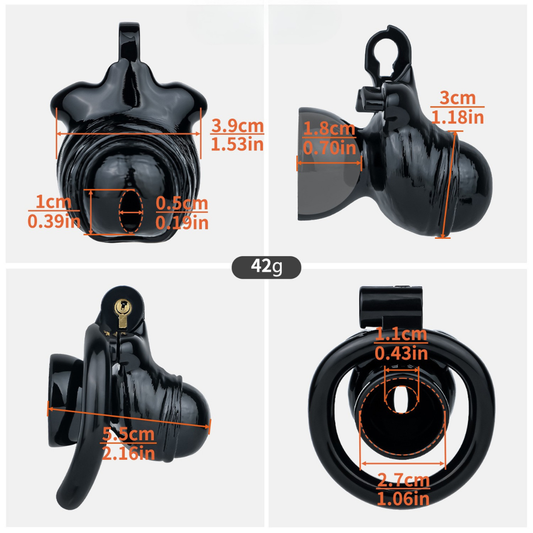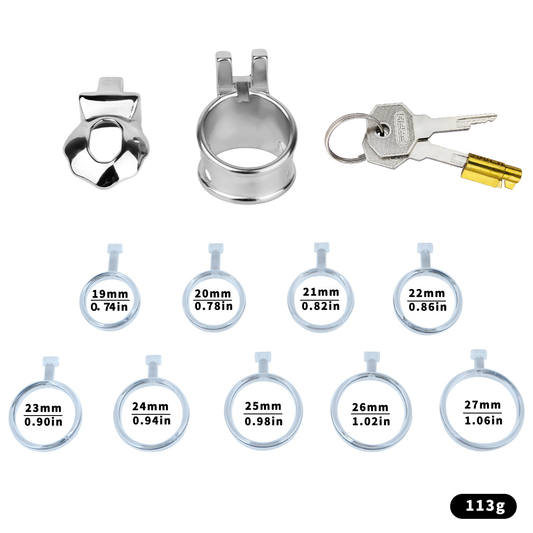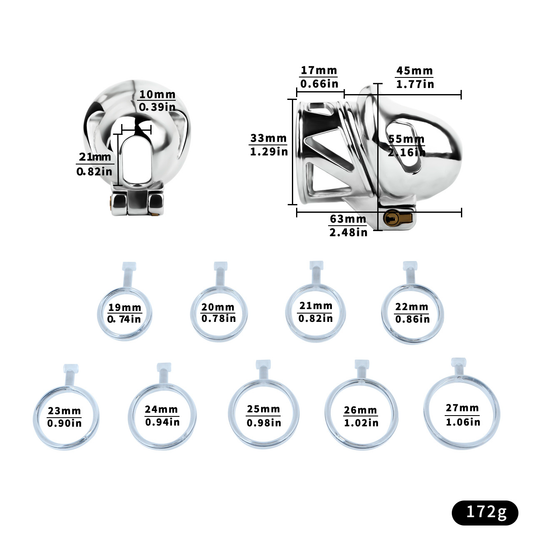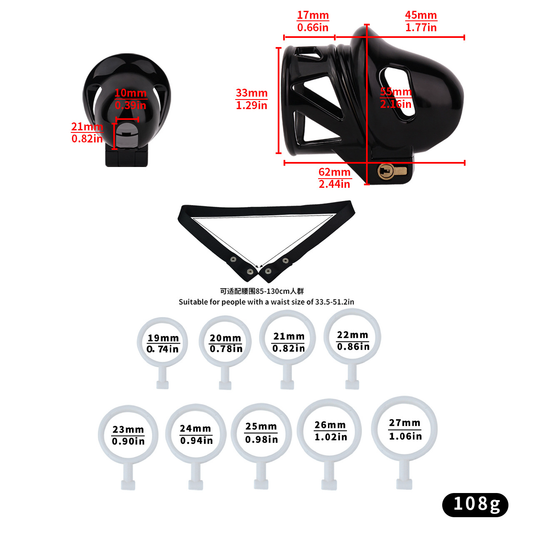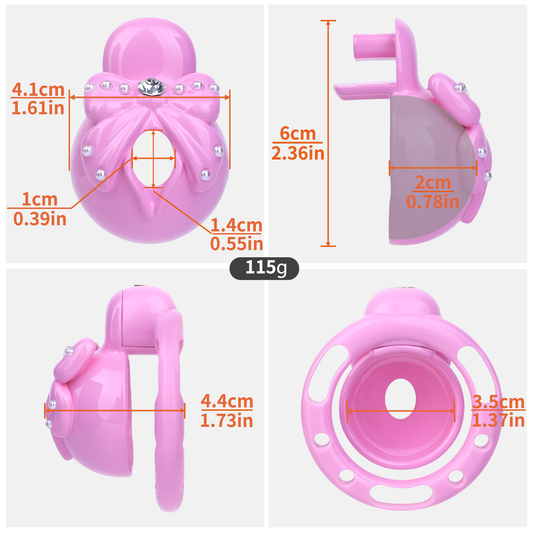





What Does the Gap Behind a Chastity Cage Do?
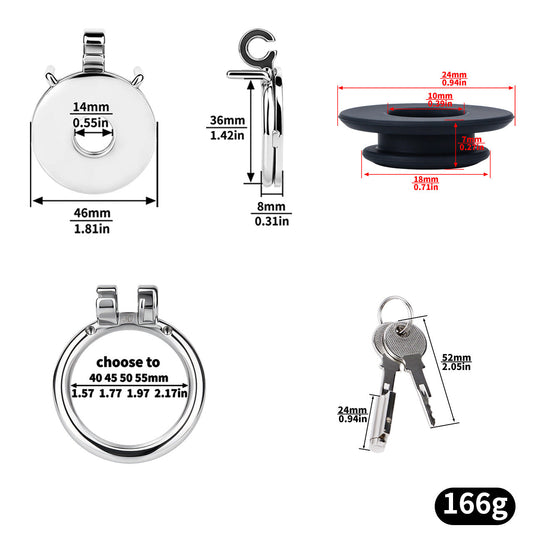
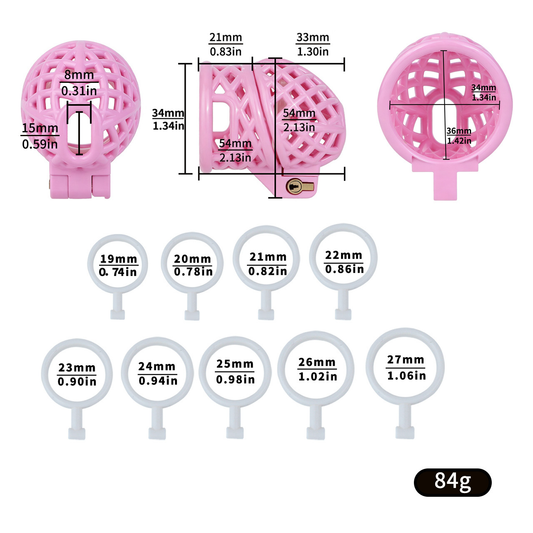
The gap behind a chastity cage is the space between the base ring and the cage body. It may seem like a minor measurement, but it changes how the cage sits, how it moves, and whether it feels stable during normal activity.

A gap that is too large can allow the cage to pull forward, rotate, or shift. A gap that is too small can create pressure and pinching. The right amount depends on your anatomy, the base ring, the cage style, and how the device is designed.
When comparing chastity cages, do not focus only on cage length. Look at the overall structure. A stable cage should sit naturally without constantly needing adjustment.
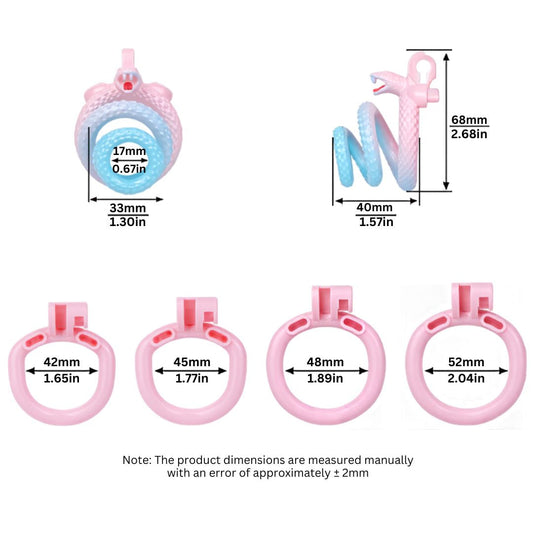
The Lightweight 3D Printed Chastity Cage with 4 Rings includes multiple ring sizes, allowing you to test which combination feels most stable. Test every new configuration at home before considering longer wear.

A practical fit test includes sitting, standing, walking, climbing stairs, and wearing the underwear you normally use. If the cage shifts dramatically, pulls forward, or creates pressure when you move, reassess the ring and gap combination.
Some 3D printed chastity cages offer lightweight profiles that make it easier to notice how fit changes during movement. However, a lighter cage still needs correct sizing.
Remove the device if you experience numbness, sharp pain, swelling, cold skin, or unusual skin colour. Secure does not mean painful.

FAQ
Can I fix a bad gap measurement by choosing a tighter ring?
Not always. A smaller ring may create a different problem. Consider the whole fit, not one measurement alone.
How long should I test a new setup?
Begin with a short at-home session, then reassess before extending wear.