




Painted, Polished or Unpainted? Chastity Cage Finishes
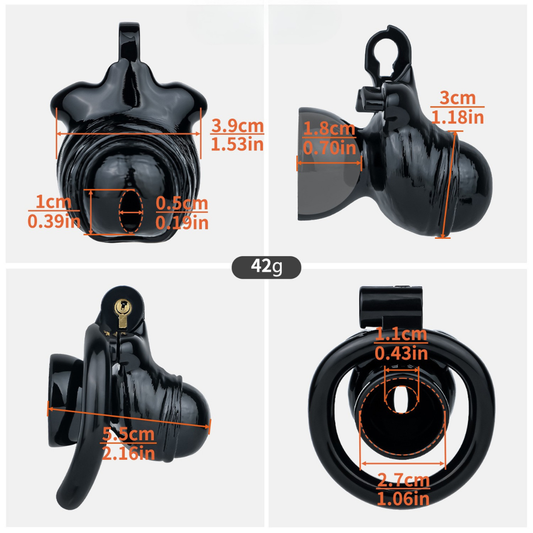
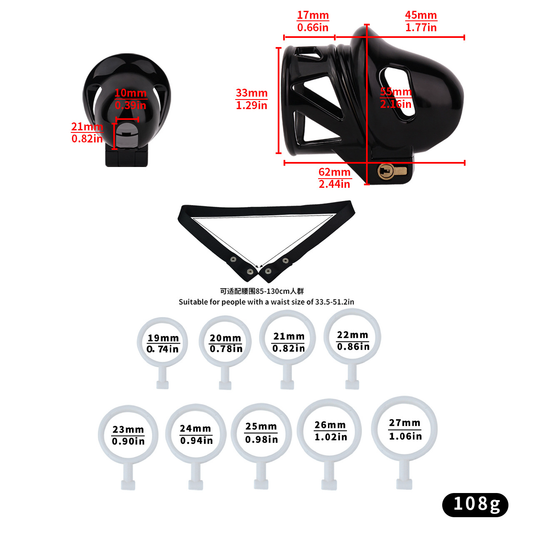
Two black chastity cages can get their look in different ways. One of our product pages describes a coat of color followed by a clear coat. Another describes a black cage that’s polished by hand without paint. Both photos show black. The descriptions tell you how the surfaces were finished.
Color is what you see. Material is what the part is made from. Finish describes the surface, whether the listing says it was polished, painted or covered with another layer. When you are choosing among similar photos, look for all three details on the product page.
When the listing says painted
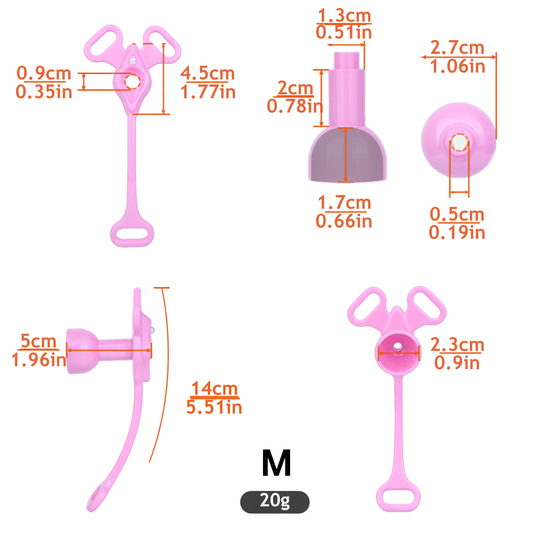
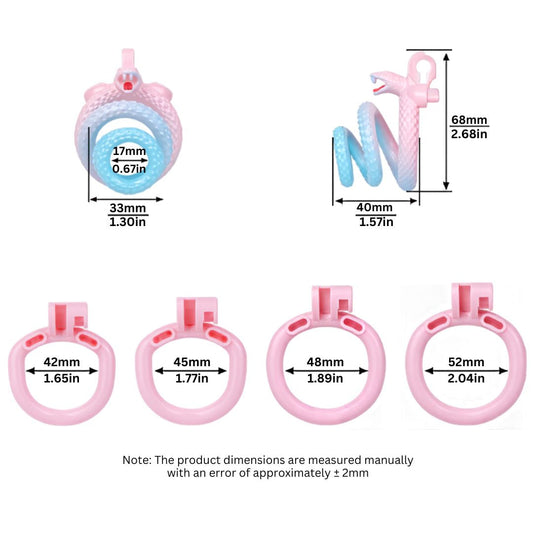
The V2 Mamba-ZERO 3D Printed Lightweight Chastity Cage comes in black and pink. Its description explains that a coat supplies the color and a clear coat gives it a glossy appearance. It is a straightforward example of a listing where the color and finish tell you different things about the same part.
Among 3D printed chastity cages, look for that level of detail when the surface matters to you. The Mamba-ZERO photo makes the gloss easy to see on both colors. The description explains how that effect is made. A photo from another listing can look just as shiny, even if its page describes a different process.

When the listing says polished without paint
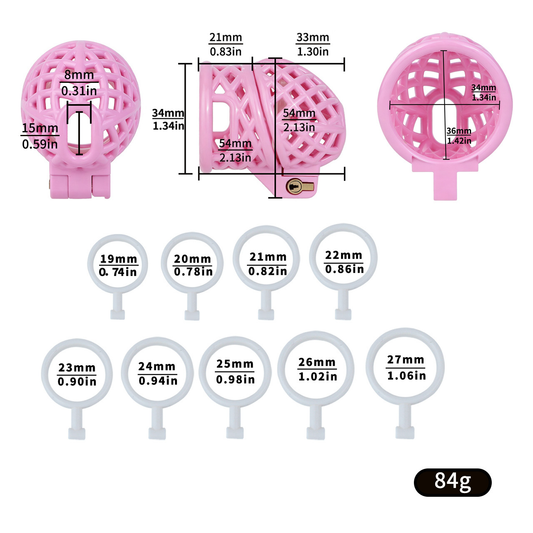
The Positive/Negative Resin Chastity Cage Set - Minus/Plus Chastity Device is photographed in black too. Its page identifies the material as nylon resin and says the cage is polished by hand without paint. The finish looks less reflective in these photos than it does on the Mamba-ZERO. The useful detail is the explicit statement about paint, since lighting can change how much shine you see.
If you’re browsing resin chastity cages with a preference for an unpainted surface, look for that wording on the individual listing. “Polished” on its own tells you about how the surface was finished. “Without paint” is the added detail that answers the paint question.

Polished silver can describe a steel finish
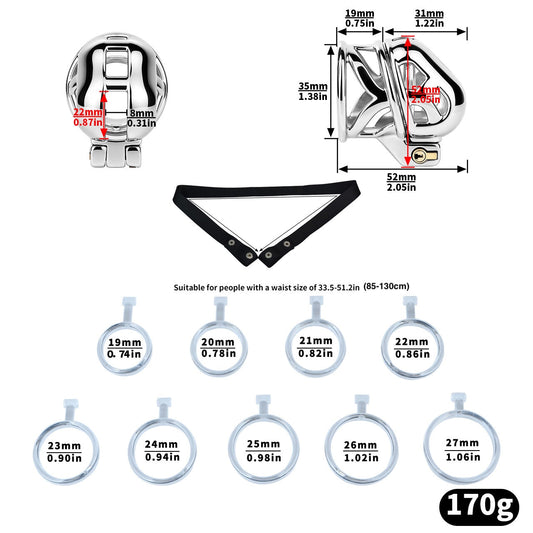
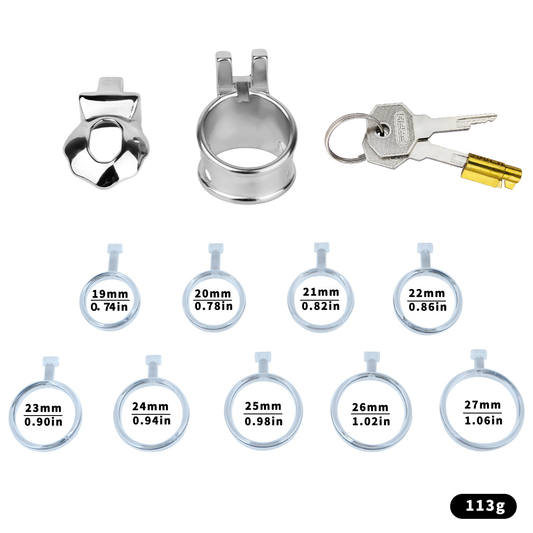
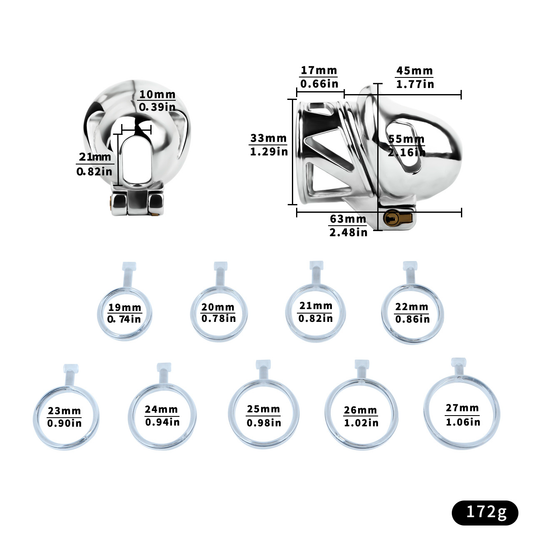
On the Silver Metal Locking Chastity Cage, the product page gives the material and finish on separate lines. The material is 304 stainless steel. The finish is polished silver. The cage in the photo reflects light strongly around the curves and cutouts.
When you’re comparing metal chastity cages, read “silver” in the context of the material line. Here it describes the look of the finish, while “304 stainless steel” identifies the metal. “Polished silver” by itself leaves the question of a separate coating unanswered. Ask about a coating or plating if that detail would change your choice.

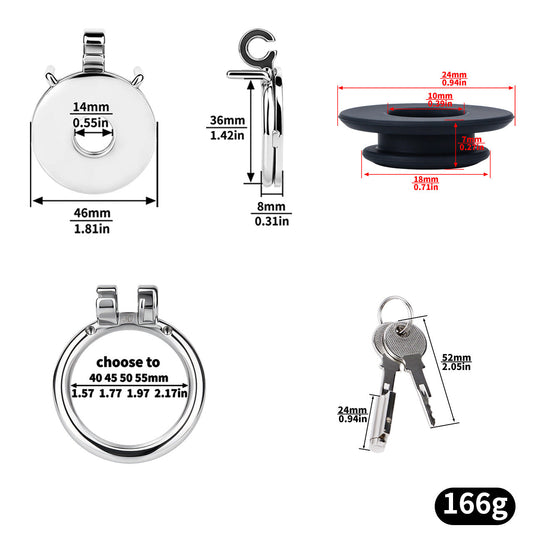
Read the description for the part you care about, too. The color in a menu might be for the cage, the ring or an optional accessory. In a product photo, the key slot can have a different color from the shell around it. If the listing is unclear, send the shop the product link and ask about that particular piece. You’ll get a clearer answer by asking how the base ring is finished than by asking whether the whole cage is black.
Here’s one question you can send before ordering. “Is the black surface on the base ring painted, or is it the material’s own color?” Include the model and color you’re considering. If the answer mentions a coating, ask what the maker recommends for cleaning that finish. A care note for bare steel may not apply to a coated part.