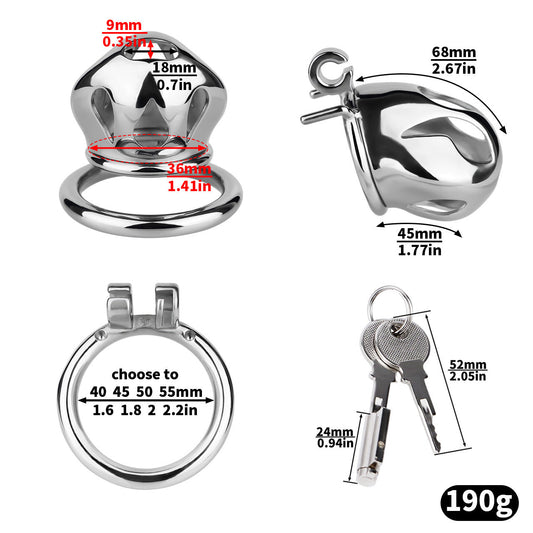





How to Choose the Right Chastity Cage Length?
Choosing a chastity cage isn’t just about finding a size that looks right in the photos. Length matters because a cage that is too long can move around, while one that is too short can feel unnecessarily restrictive. The goal is a secure fit without constant pressure or discomfort.
Here’s a simple way to get it right.

Measure Before You Buy
The easiest mistake is guessing your cage length based on your usual size.
For a more useful measurement, measure from the base to the tip while fully relaxed. Don’t stretch or pull during the measurement. Take the measurement a few times and use a comfortable average.
For example, if your relaxed measurement is around 3 inches (7.6 cm), you generally don’t want to automatically choose a cage that is exactly 3 inches long. The internal shape, spacing, and amount of room inside the cage also affect the actual fit.
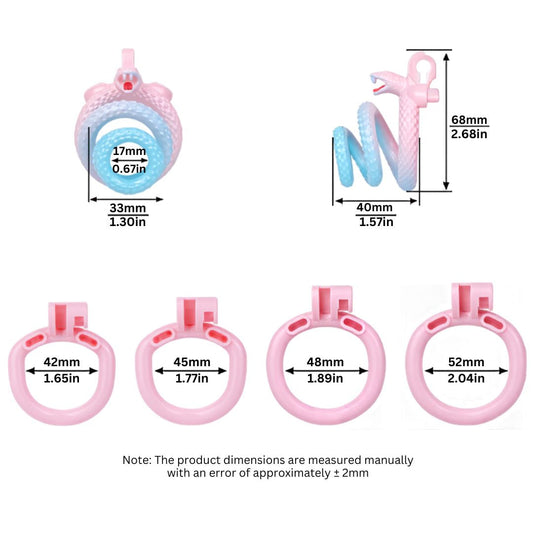
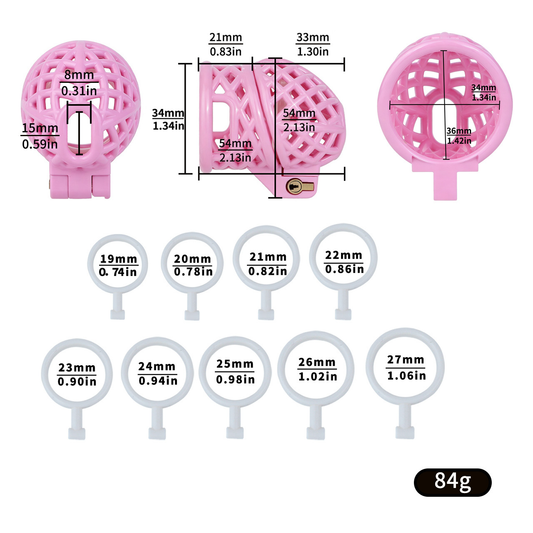
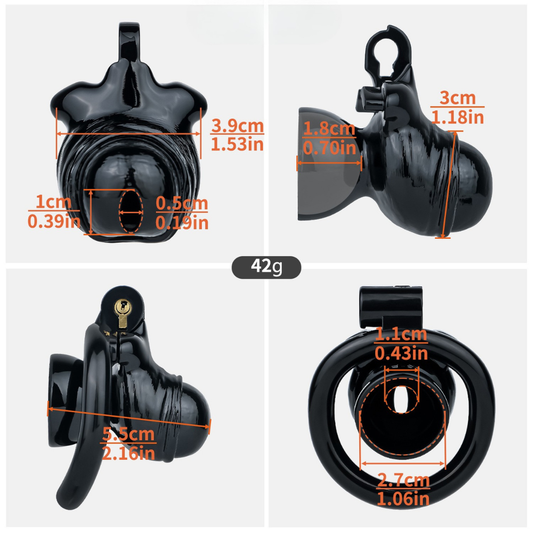
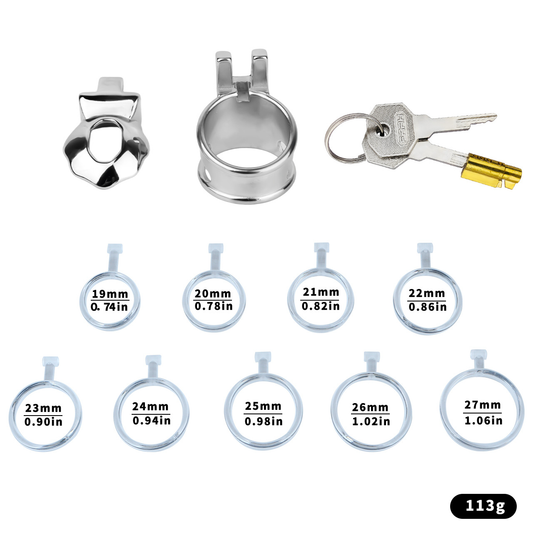
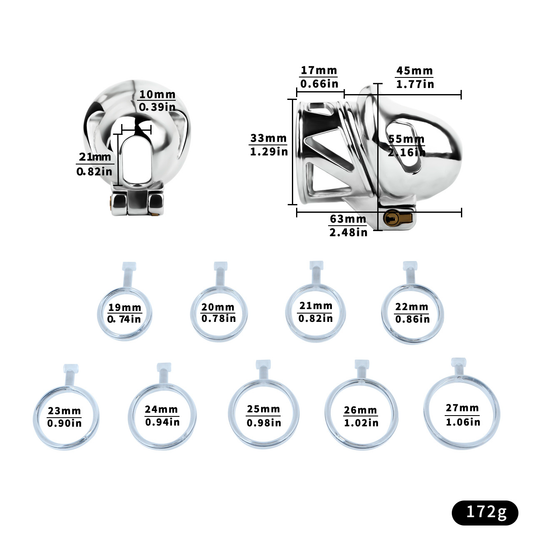
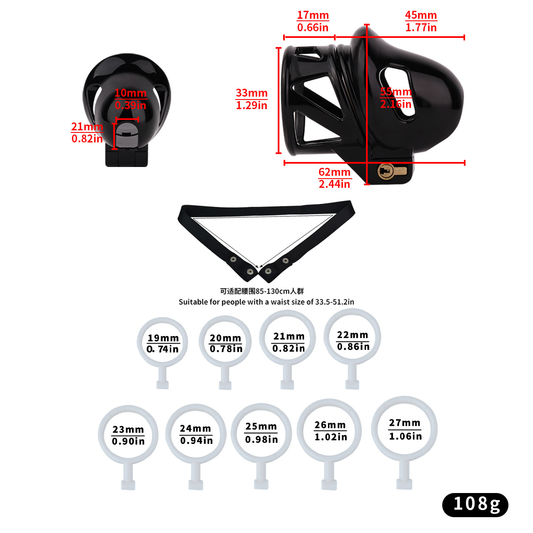
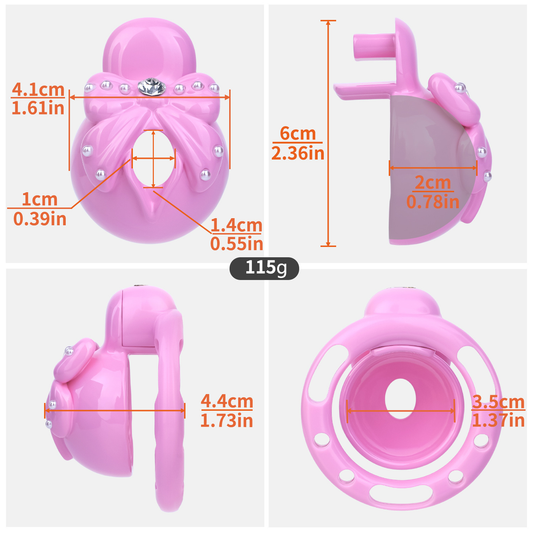
Check the manufacturer's size chart before ordering. Different cages can have very different internal dimensions even when their listed lengths look similar.
Short Cages vs. Longer Cages
A short chastity cage keeps the overall profile compact and usually allows less room for movement. This can be a good choice if you prefer a snug, low-profile design.
A longer cage provides more internal space and may be more comfortable for someone who needs additional room when relaxed. The trade-off is that too much extra space can allow unwanted movement.
The sweet spot is usually enough room to sit naturally without leaving a large empty gap.

Don't Use Length Alone
This is where cage shopping gets tricky.
Two cages with the same listed length can fit completely differently because of their:
- Inner diameter
- Head opening
- Shape and curvature
- Base ring size
- Tube or frame design
A cage that looks perfect based on length alone may still be too narrow, too wide, or poorly matched to your base ring.
That’s why length + diameter + base ring size should be considered together.
What If You're Between Two Lengths?
If you're between sizes, don't automatically choose the longer cage.
Look at the cage's actual internal length, not just the advertised product length, and consider how much movement the design allows. For a rigid cage, even a small difference can noticeably change the fit.
If the manufacturer provides a detailed measurement chart, use that instead of relying on general size labels such as "small" or "medium."

A Good Fit Should Feel Secure, Not Painful
The right chastity cage should stay reasonably stable without causing sharp pain, excessive pressure, numbness, or significant skin irritation.
During initial wear, pay attention to how your body responds. If you experience persistent pain, numbness, unusual swelling, discoloration, or circulation problems, remove the device and reassess the fit.
A smaller cage isn't automatically a better cage. The best length is the one that gives you a secure, comfortable fit based on your actual measurements.
Quick Chastity Cage Length Checklist
Before ordering, check these four things:
1. Measure your relaxed length.
2. Compare it with the cage's internal length.
3. Check the inner diameter and base ring size.
4. Choose comfort and stability over simply choosing the shortest cage.
Getting the measurements right before you order can save you from the frustrating cycle of buying a cage, discovering the fit is wrong, and having to start over.